









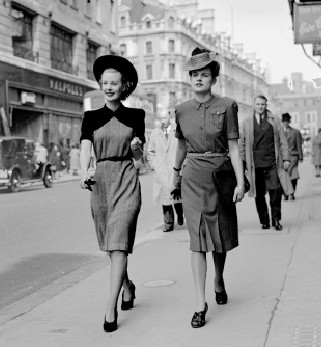
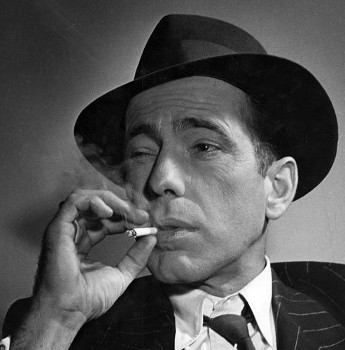

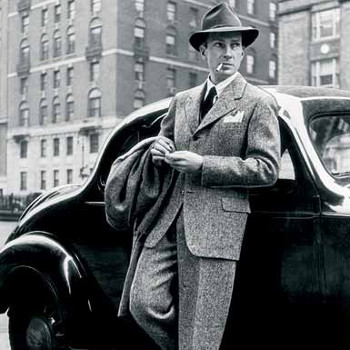
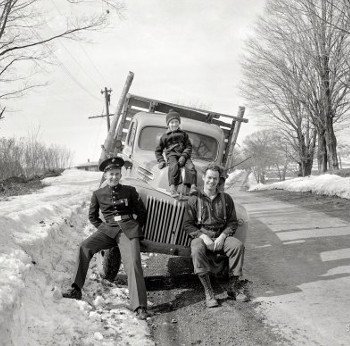
America had not yet recovered from the hardship and uncertainty of the Great Depression when an expanding war in Europe brought even greater cause for alarm and apprehension. Although the Roosevelt administration at first tried to assist our allies at a distance, the Japanese attack on Pearl Harbor and other American territories in December 1941 forced our nation into the conflict on two fronts.
The need to mobilize all of America's resources brought the war home to all of our citizens. Food and gasoline was rationed and all of us were called upon to recycle rubber, metal and other products necessary to the war effort. Since most of our men were called to military duty, it was necessary for women to fill vacancies in factories and other industrial facilities.
After the defeat of the enemy in 1945, technological advances developed during the war served to fuel a robust and energetic economic boom. Returning service members eager to start families provided a boost to the construction industries as planned suburban communities like Levittown in New York sprouted up all across America.
However, the consequences of the war also brought more worries to the world. The development of the atomic bomb, which provided a rapid end to the battle against Japan, and a growing rift between the United States and the Soviet Union led to the decades long Cold War between Communism and the West.


